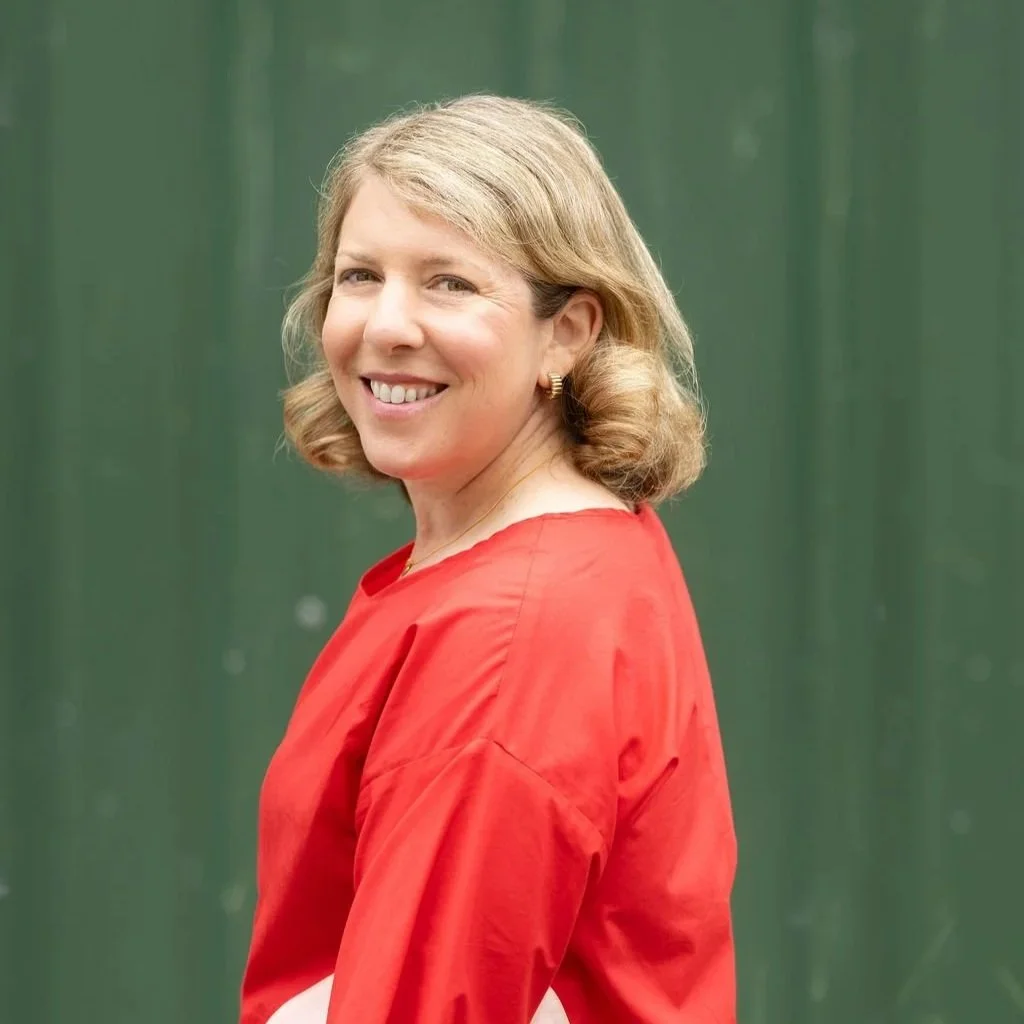
I’m a screenwriter turned organizational psychologist, which means I’m the kind of person who takes notes at a comedy show.
I didn't set out to study what moves people. I got there by following the question through some very different rooms.
Hi, I’m Lindsey.
HOLLYWOOD
I started out studying characters instead of people.
After graduating from Northwestern University with a degree in Communication and Creative Writing for the Media, I hightailed it to Los Angeles, where I eventually found myself working on television shows like Curb Your Enthusiasm and Malcolm in the Middle.
But a few years in, I realized something in my own story wasn’t working.
Sitting by a pool in Los Angeles—because of course it was a pool in Los Angeles—I read What Should I Do With My Life? and confronted the possibility that the answer might not be television.
I didn't know what I wanted to do instead. I only knew I was becoming more interested in real people than the ones on the page.
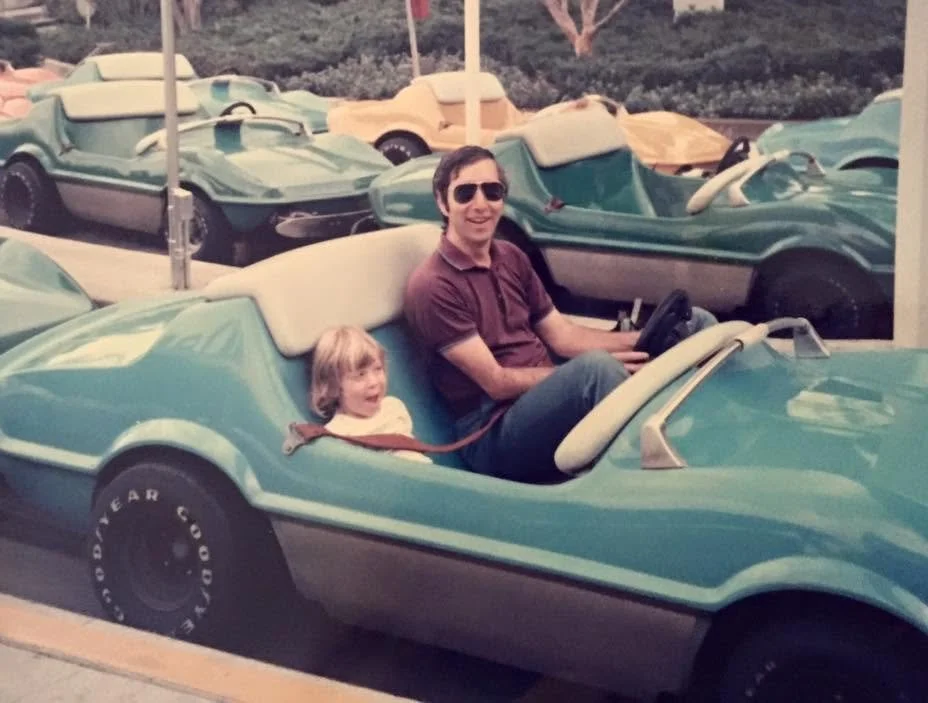
Disneyland with my dad, before I knew where any of this was headed.
I left television and eventually joined the training teams at DreamWorks Animation and McKinsey.
Instead of figuring out how to get a character from A to B, I was designing learning and leadership experiences to help actual people get from A to B. And much of what I’d learned in Hollywood—about structure, motivation, observation, and empathy—came with me.
I learned how people learn. Then my curiosity widened: How do people behave in groups? What makes change possible? That led me to a master's degree in Organizational Psychology from Columbia University
FROM CHARACTERS TO PEOPLE
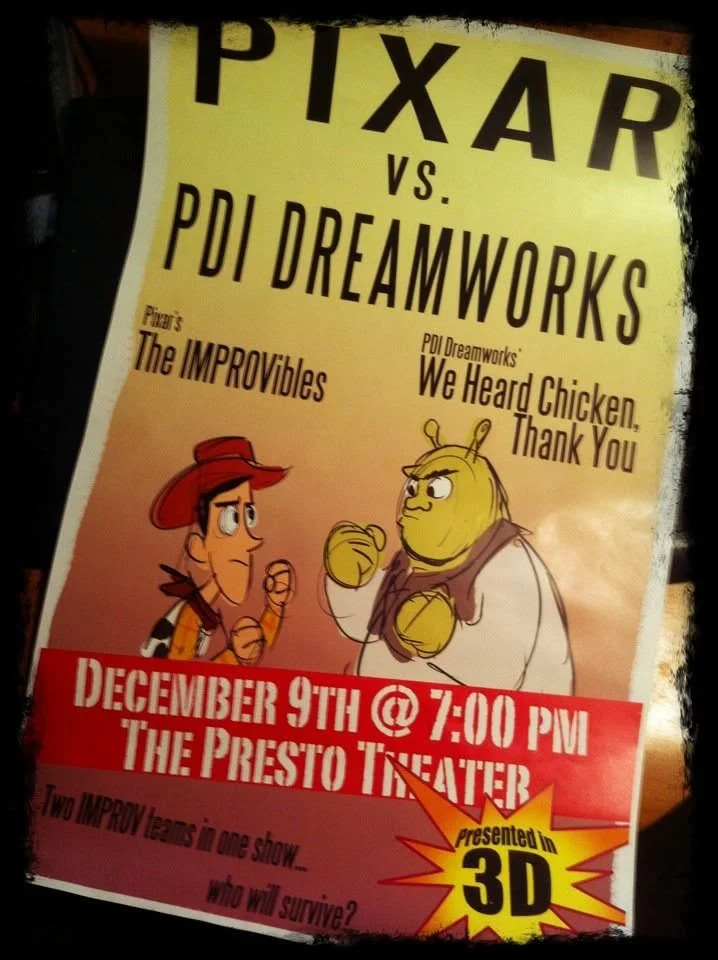
DreamWorks vs. Pixar. Yes, we had competing improv troupes.
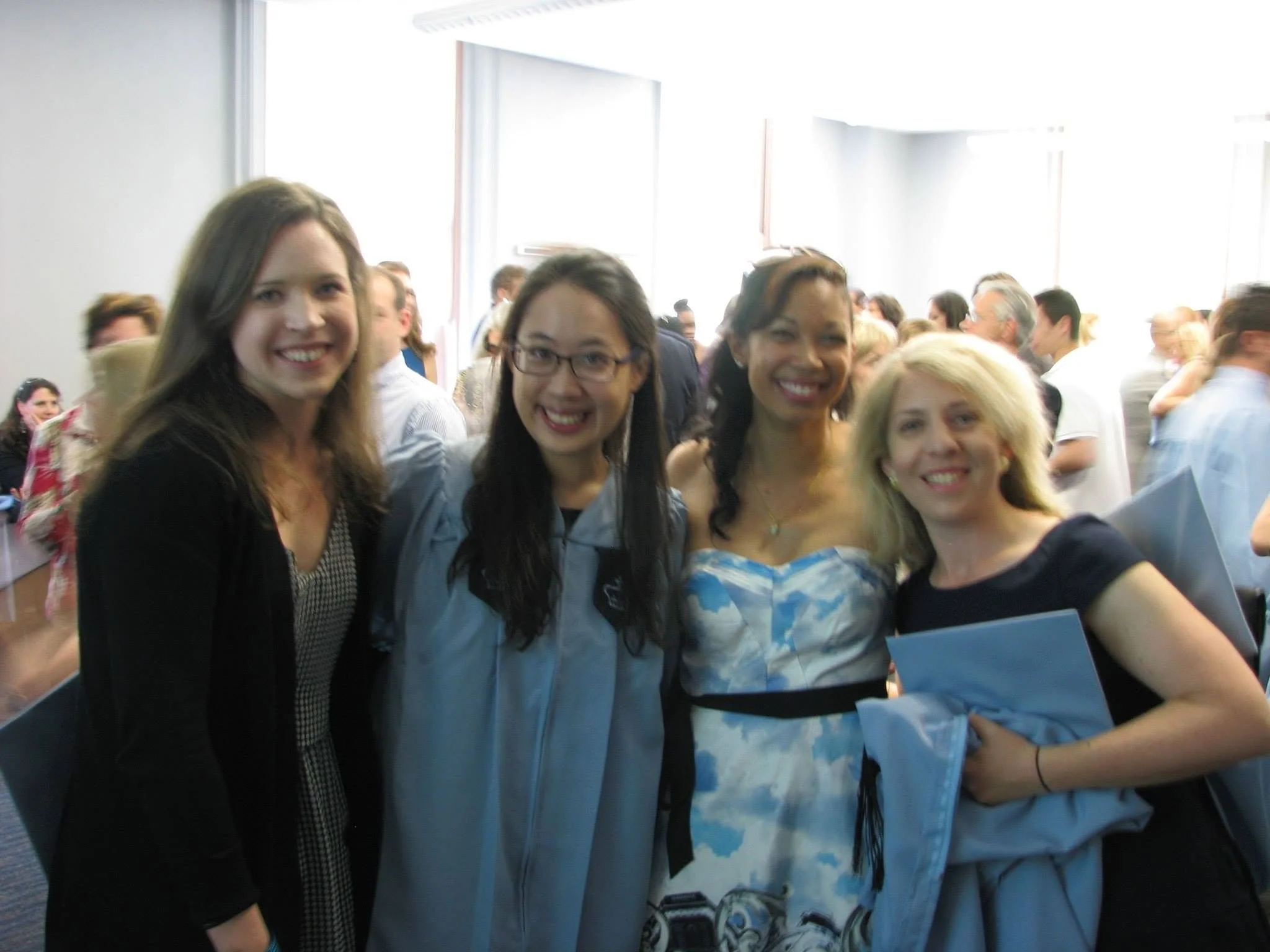
Columbia University graduation, where I went looking for the science behind s I' sd been observing
I went on to lead learning and talent work at Zendesk, Credit Karma, and Flexport before starting my own advisory practice.
Again and again, I found myself working on the same challenge: someone needed a group of people to think, feel, or do something differently.
Eventually, I started wondering whether this challenge was really an organizational one at all.
INSIDE ORGANIZATIONS
A performer has to move an audience.
A teacher has to move a classroom.
A CEO has to move a company.
Different jobs. Same fundamental challenge: how do you move many people at once?
I started looking for patterns everywhere, studying performers, educators, and business leaders who consistently moved groups. What did they understand that the rest of us could learn from?
Those patterns became the Moved Model and, eventually, my book, Moved.
Only looking back could I see that what looked like different careers had really given me different ways of investigating the same question:
What moves people?
That's the question at the center of my work.
THE QUESTION GOT BIGGER
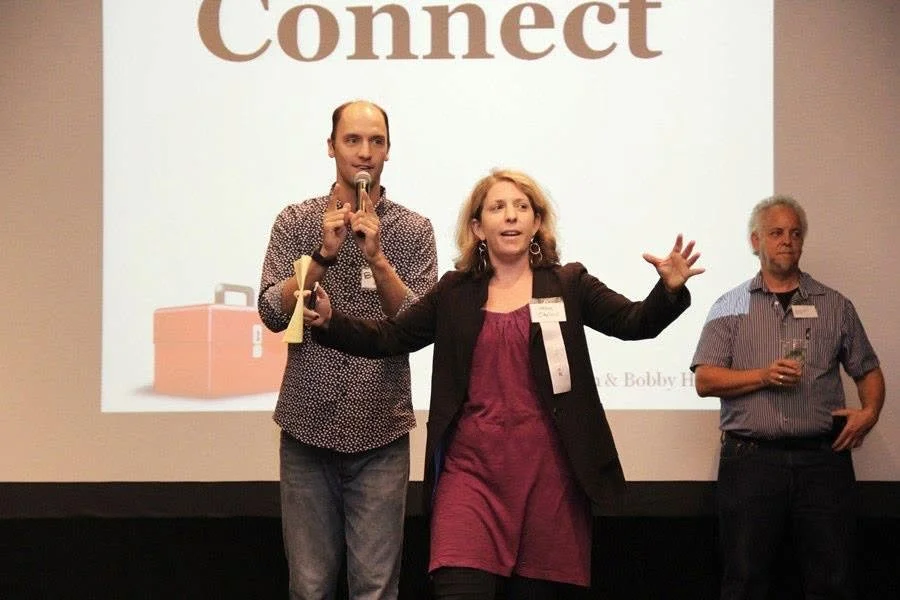
Somewhere along the way, I went from writing for an audience to standing in front of one.
I hold a master's degree in Organizational Psychology from Columbia University and a bachelor's degree in Communication and Creative Writing for the Media from Northwestern University.
Before starting my own practice, I held roles in learning and leadership development at DreamWorks Animation, McKinsey, Zendesk, Credit Karma, and Flexport. I’ve since advised organizations including T-Mobile, Shell, GE, CrowdStrike, and Salesforce.
My writing has appeared in Fast Company, and I've shared my ideas through more than fifty podcasts and speaking engagements.
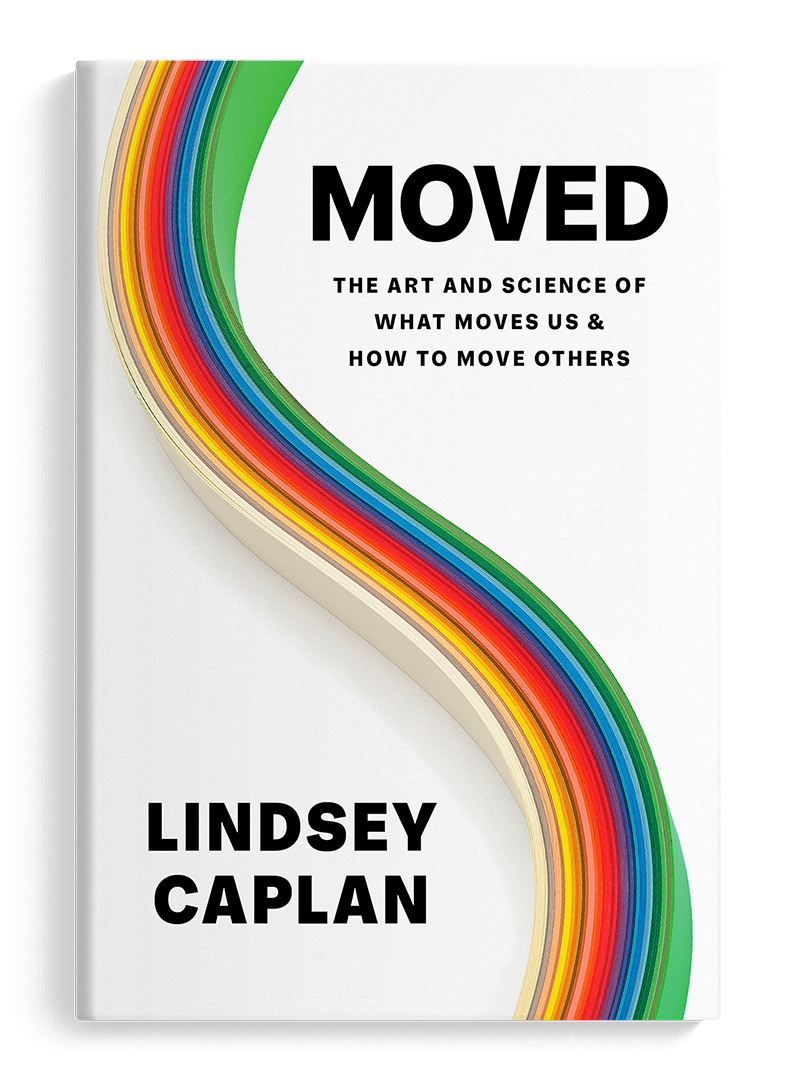
I’m the author of Moved: The Art and Science of What Moves Us & How to Move Others, coming March 2027.
FOR THE RECORD
Work with Me
Where does your group need to move?
Bring Moved to your room.
Keynotes and interactive sessions that give people a new way to understand what moves groups and how to put it to work.
Book LindseyMove something that matters.
You need a group of people to do something differently. A strategy needs to become action, a new way of working needs to take hold, or a group needs to move in a new direction. I help you understand how.
Work with Lindsey